Straightforward Answers You Can Count On
At Tri-State Land Management, we believe in clear communication, honest expectations, and doing the job right the first time.
Here are some questions we’re asked often, answered simply and directly so you know exactly what to expect before we arrive on your property.
GENERAL SERVICE
What types of services do you offer
How do I know what service I need
You don’t have to. We’ll walk through the project with you (either on-site or by photo/video), evaluate your goals, and recommend the safest, most effective, and most affordable long-term solution.
Are you licensed and insured
Yes. We are fully licensed and insured!
What equipment do you use
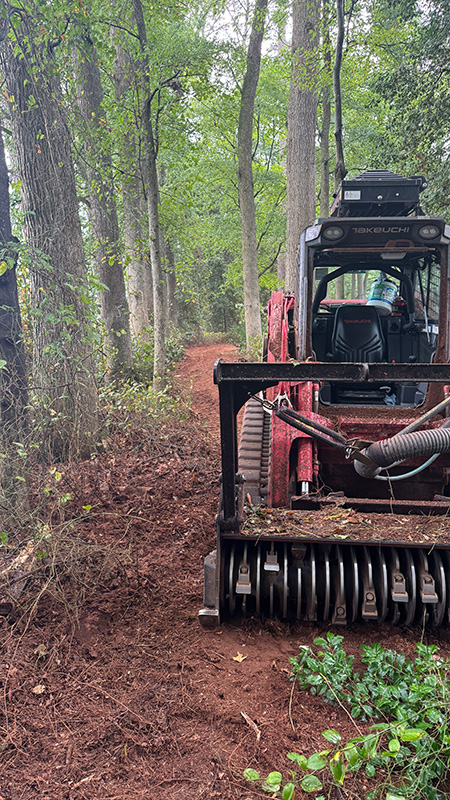
We operate modern, well-maintained machinery including compact track loaders, excavators, forestry mulchers, and grading attachments. Using the right equipment lets us work efficiently and with minimal property disturbance.
Do I need to be home while the work is completed
No. Many customers are not present during the work. We keep you updated with photos, confirmation messages, and job completion details.
How long will my project take
We provide a realistic timeline upfront and maintain communication throughout the project.
PRICING & ESTIMATES
Do you offer free estimates
Yes, All estimates are free, and we provide transparent pricing with no hidden fees.
What payment options do you accept
We accept all major payment methods including credit cards. For larger jobs, we can discuss phased work or scheduling flexibility. Our pricing is straightforward, honest and fair.
How much does forestry mulching cost
Costs depend on vegetation density, terrain, and project size.
Mulching projects are based on day rates and that is determined by service, labor and equipment needs.
How much does lot clearing cost
Lot clearing costs vary based on property size, terrain, and vegetation. A site evaluation is the best way to get an accurate estimate.

We provide clear, upfront pricing before any work begins and any deviation from original scope or contractual agreement is clearly communicated and agreed upon in writing, so no surprises!
SERVICE AREA
If you’re on the Delmarva Peninsula, we likely serve your area.
Maryland Counties
Talbot Majority of Caroline County, Wicomico, Somerset and Worcester.
Delaware Counties
Sussex, Majority of Kent County
Virginia Counties
Accomack, Majority of Northampton
Land & Vegetation
What is forestry mulching and how does it work?
How long does forestry mulching take?
Most projects are completed quickly, but timing depends on how thick the vegetation is and how accessible the land is.
What does lot clearing include
Lot clearing includes removing trees, brush, stumps, and overgrowth to prepare land for construction, access, or landscaping.
How long does lot clearing take
Most residential lot clearing projects are completed in one to three days, depending on lot size and vegetation density.
How do I know if a tree should be removed or thinned
Trees that are dead, damaged, leaning, or overcrowded may pose safety risks or limit land usability.
We assess each situation and recommend removal or thinning based on safety and long-term land health.
Will removing trees damage my yard or surrounding area
We use equipment suited for land management work and plan access routes carefully to minimize disturbance to surrounding areas.
Can selective thinning improve property value or usability
Yes. Removing overcrowded or problem trees can improve visibility, access, safety, and overall land usability while promoting healthier remaining growth.

Earth & Site Works
What types of structures can you remove
We remove small structures such as sheds, foundations, concrete pads, and similar site obstacles to prepare land for future use.
What happens to debris after demolition
Debris is removed from the site or disposed of properly as part of the cleanup process, leaving the area ready for the next stage of work.
Do you handle site cleanup after excavation
Yes. Site cleanup and preparation are included so the property is left clean and ready for grading, construction, or further improvements.
Why is grading important before construction
Proper grading creates stable surfaces and ensures water drains correctly away from structures, preventing future erosion or drainage issues.
What is the difference between rough grading and final grading
Rough grading establishes elevations and general shape, while final grading smooths and finishes the surface for landscaping, seeding, or project completion.
Can grading fix standing water problems
In many cases, yes. Correcting slopes and elevations is often the key to resolving water pooling and runoff issues.
How do you determine the cause of drainage problems
We evaluate property slope, soil conditions, and water flow patterns to identify the source of the issue before recommending a drainage solution.
Are drainage system solutions permanent
Our goal is long-term correction. Proper grading, ditching, or water management features are designed to prevent recurring problems rather than temporary relief.
Can drainage work be done without major disruption
Most drainage improvements can be completed with controlled excavation and minimal impact to surrounding areas.
Driveways & Site Access
Asphalt Millings are Cheaper
Asphalt millings are significantly lower in price compared to hard surface materials like concrete, asphalt, or pavers.
Are asphalt millings durable and low maintenance
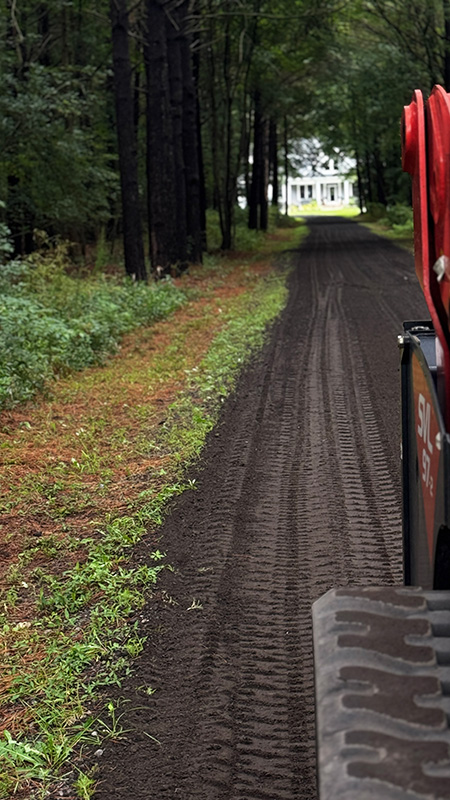
Yes. Asphalt millings are extremely durable — often outperforming stone or oyster shells. Because millings contain tar and natural binding oils, they compact and harden when exposed to heat, rain, and pressure.
The surface produces very little dust, resists erosion, handles harsh weather well, and helps prevent pooling or flooding due to its permeable qualities.
Maintenance is minimal. Under normal use, there is no need for refinishing or resurfacing. If smoothing is ever needed, it’s a simple process with professional equipment.
Are asphalt millings environmentally friendly
Absolutely. Asphalt millings are made from recycled asphalt removed from roadways.
Instead of sending old pavement to landfills, it is reclaimed and reused. This makes asphalt millings an eco-friendly driveway option that reduces waste while providing a long-lasting surface.
What are stone, gravel, and rip-rap used for
Stone, gravel, and rip-rap are used to stabilize driveways, parking pads, and drainage areas. Properly sized materials help create a solid base, improve drainage, and prevent erosion around your property.
Why use rip-rap for erosion control
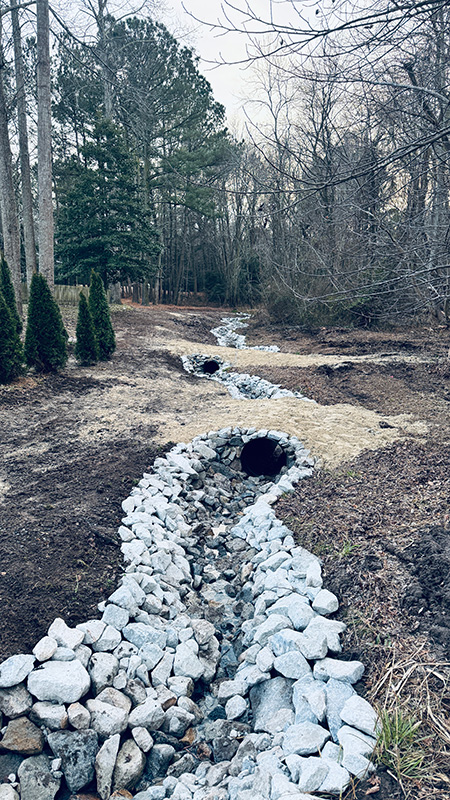
Rip-rap consists of large, durable stone designed to control water flow and protect against soil erosion. It’s ideal for ditches, slopes, culverts, and areas exposed to heavy rain or runoff.
What is a construction entrance
A construction entrance is a stabilized access point built with large stone to reduce mud tracking from job sites onto public roads. It helps keep surrounding streets cleaner and safer during active construction.
Why are stabilized construction entrances important
Stabilized entrances help prevent soil erosion, reduce sediment runoff, and comply with local regulations. They protect both the construction site and nearby roadways by minimizing mud and debris leaving the property.